




Table of content
- What happens before your case reaches the lab?
- Step 1: The lab checks your case
- Step 2: The technical review
- Step 3: Your smile is designed on a computer
- Step 4: Milled or pressed
- Step 5: Finished by hand
- What are the veneers made of?
- How long does the lab take?
- What if a veneer comes off or breaks?
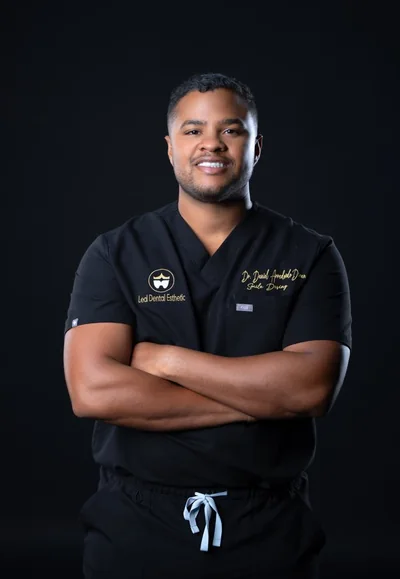
- Dr. Daniel Arredondo Durán and his team
- Frequently asked questions
- Sources
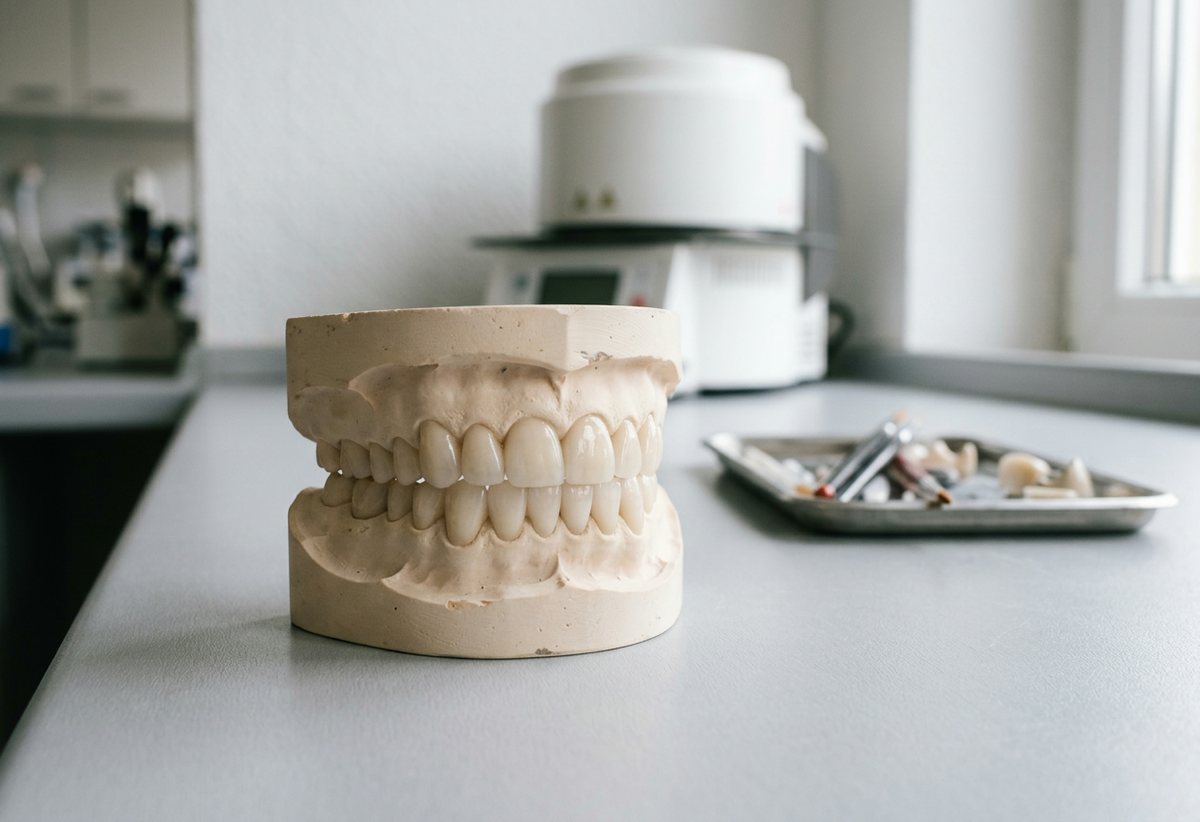
Most people who get veneers never see where they are made. Your dentist takes impressions of your teeth, and a dental lab technician uses them to make your veneers. That can take a few weeks.1
This is each step in the lab where Dr. Daniel’s veneers are made, with photos taken there in November 2026.
What happens before your case reaches the lab?
It starts in the chair. Dr. Daniel scans your teeth, and the scan goes to the lab.
The work on your teeth is minimally invasive. For veneers alone, Dr. Daniel doesn’t use anesthesia. Anesthesia comes in only with other treatments, like implants, crowns, bridges or extractions.
You choose the color and the shape of your veneers. Dr. Daniel tells you what looks most natural on you, and the final call is yours.
Step 1: The lab checks your case
When your scan arrives, the lab team checks that everything came in right: your name, the color you chose and every instruction from Dr. Daniel.
Step 2: The technical review
The technical team reviews the digital impression and your bite, which is how your top and bottom teeth meet when you close. They make sure there is room for your veneers, so they don’t hit each other when you bite down.
Step 3: Your smile is designed on a computer
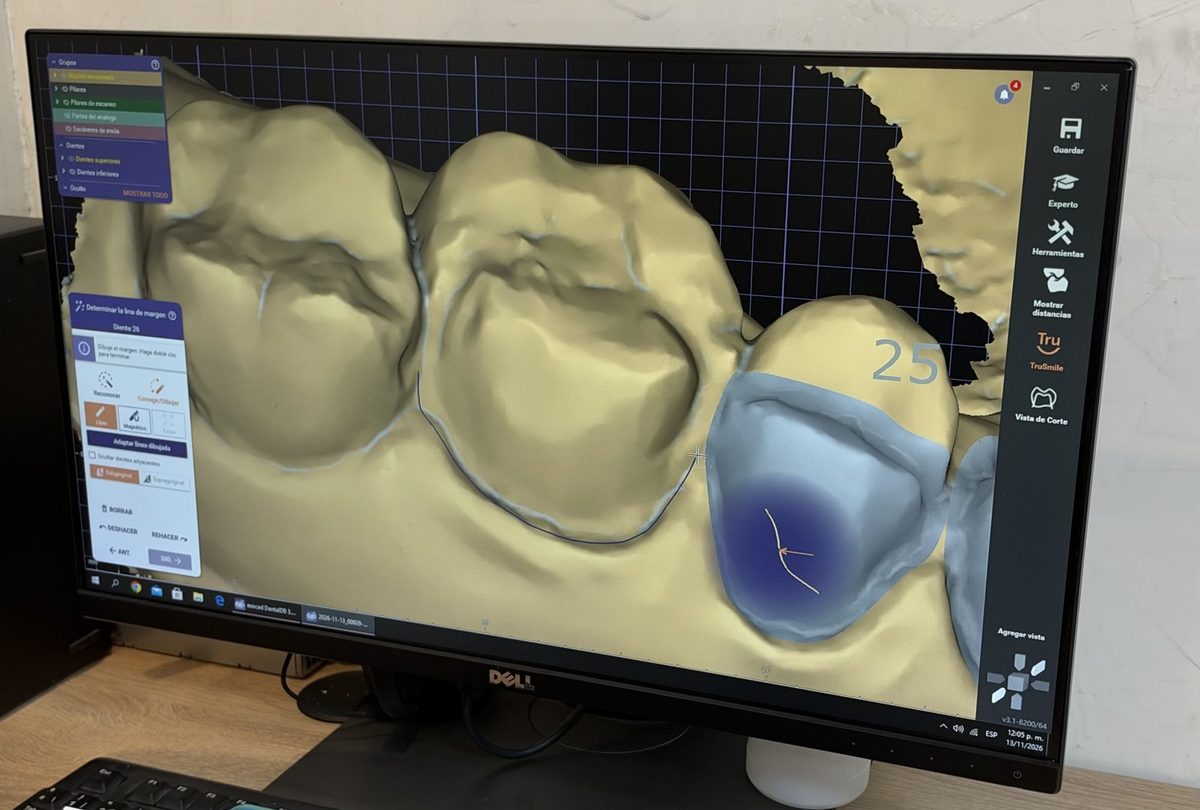
A designer builds your new smile on the computer, tooth by tooth.
From that design comes your trial smile. Dr. Daniel places it over your teeth, so you see your new smile in the mirror before anything final is made. If you want a tooth longer or shorter, it is corrected and you try it again, until you like it.
Only then is the final design made.
Step 4: Milled or pressed
The design becomes a real veneer in one of two ways. The lab picks the one that fits your case.
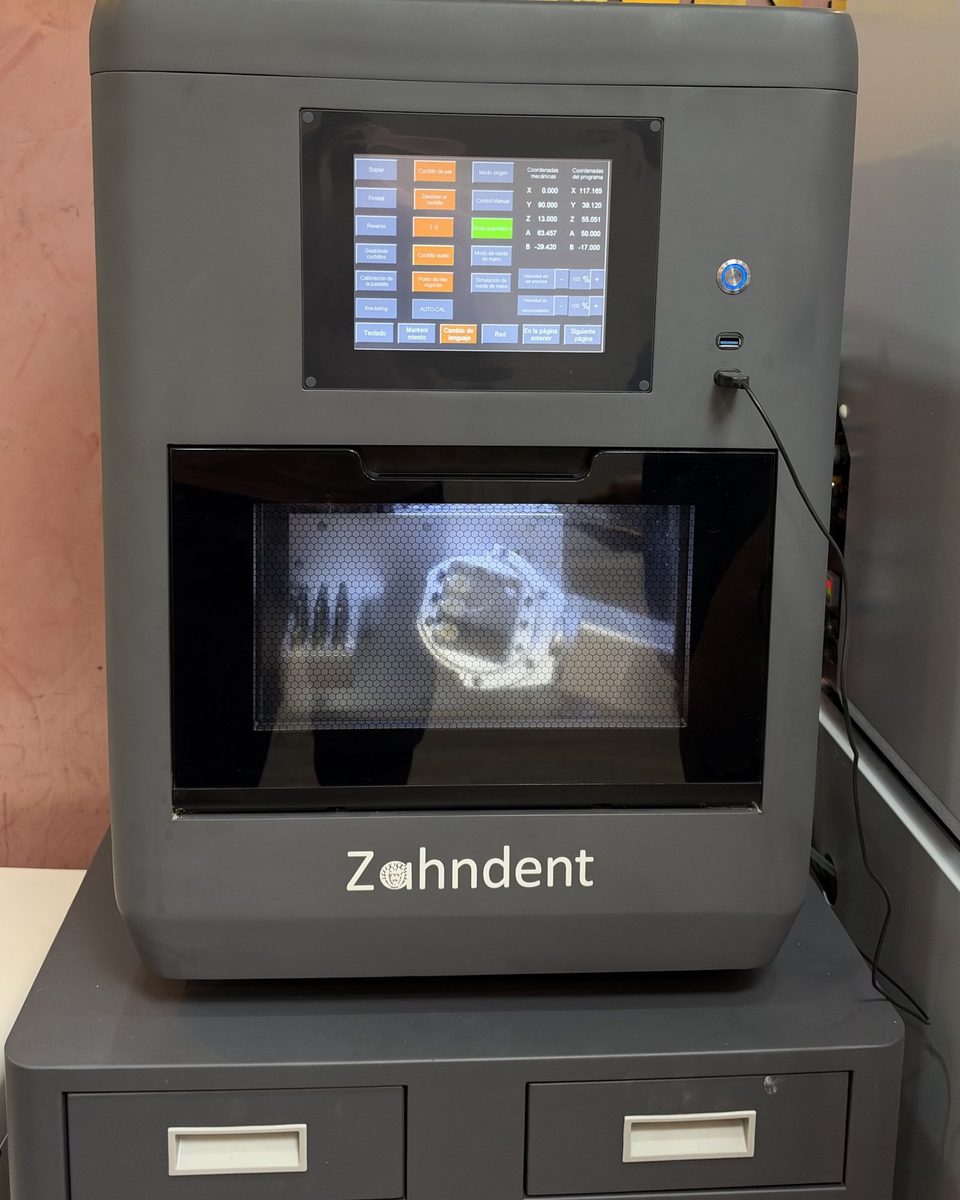
Milled. A milling machine carves the veneer out of a solid block, with a stream of water that keeps the bur cool.
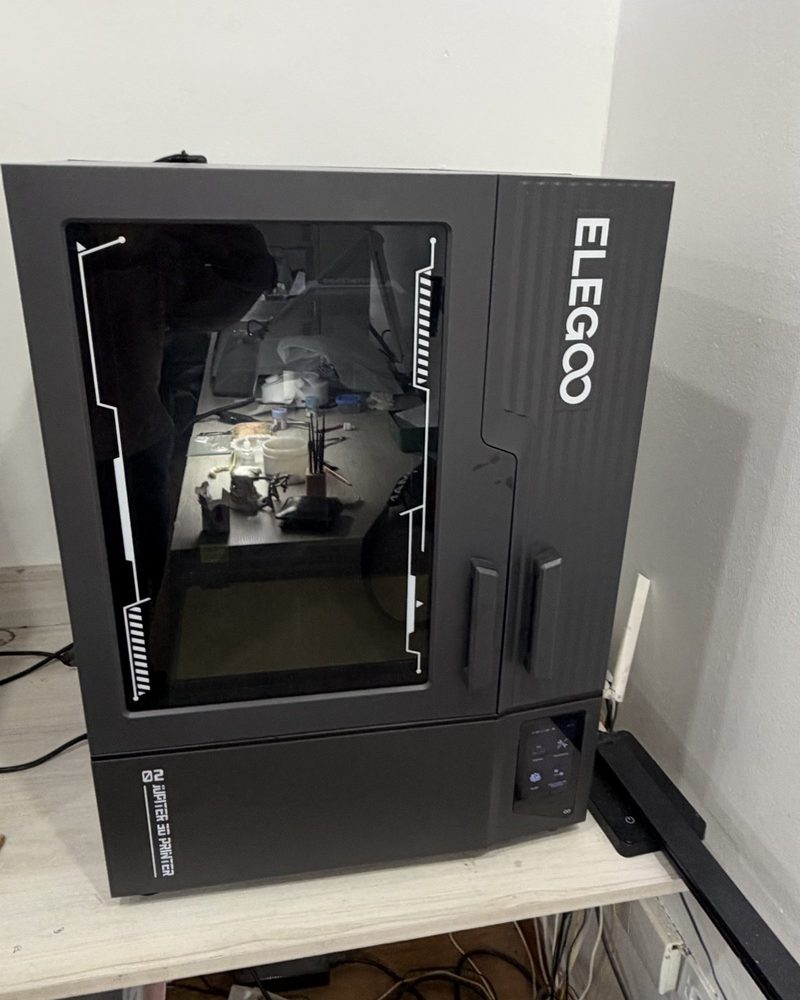
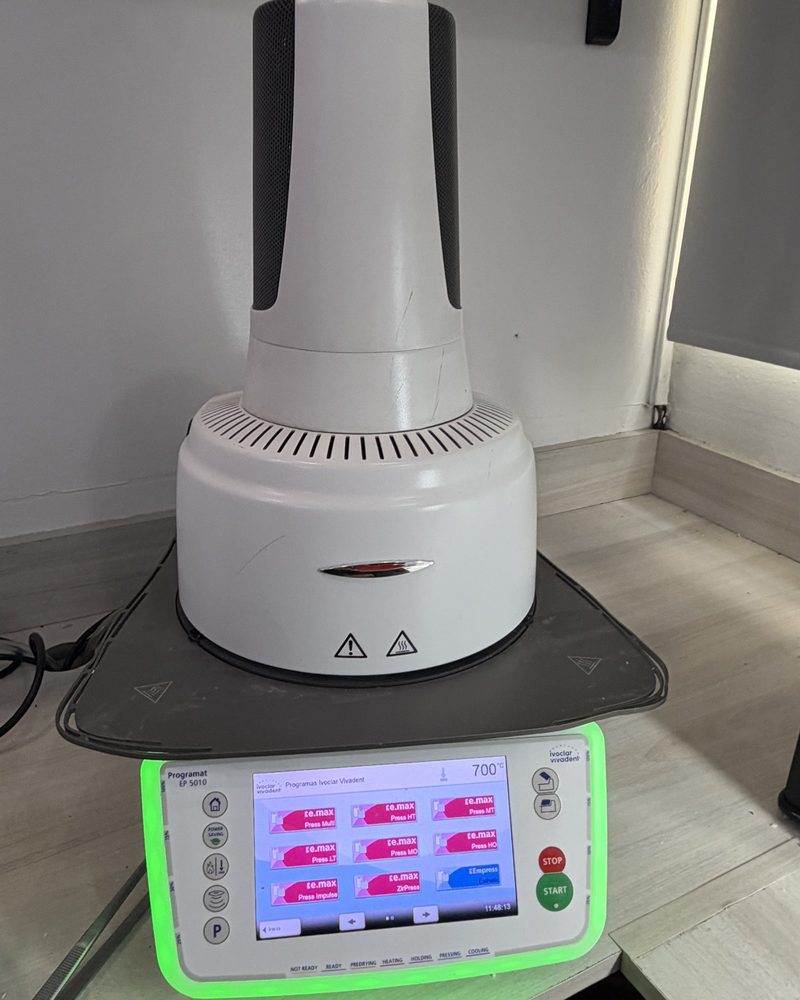
Pressed. The design is printed in resin. That copy goes into a mold, and the press furnace presses the ceramic into that shape.
Dental research describes both methods for this material, and in one review the way it was made did not seem to change its strength.3
Step 5: Finished by hand
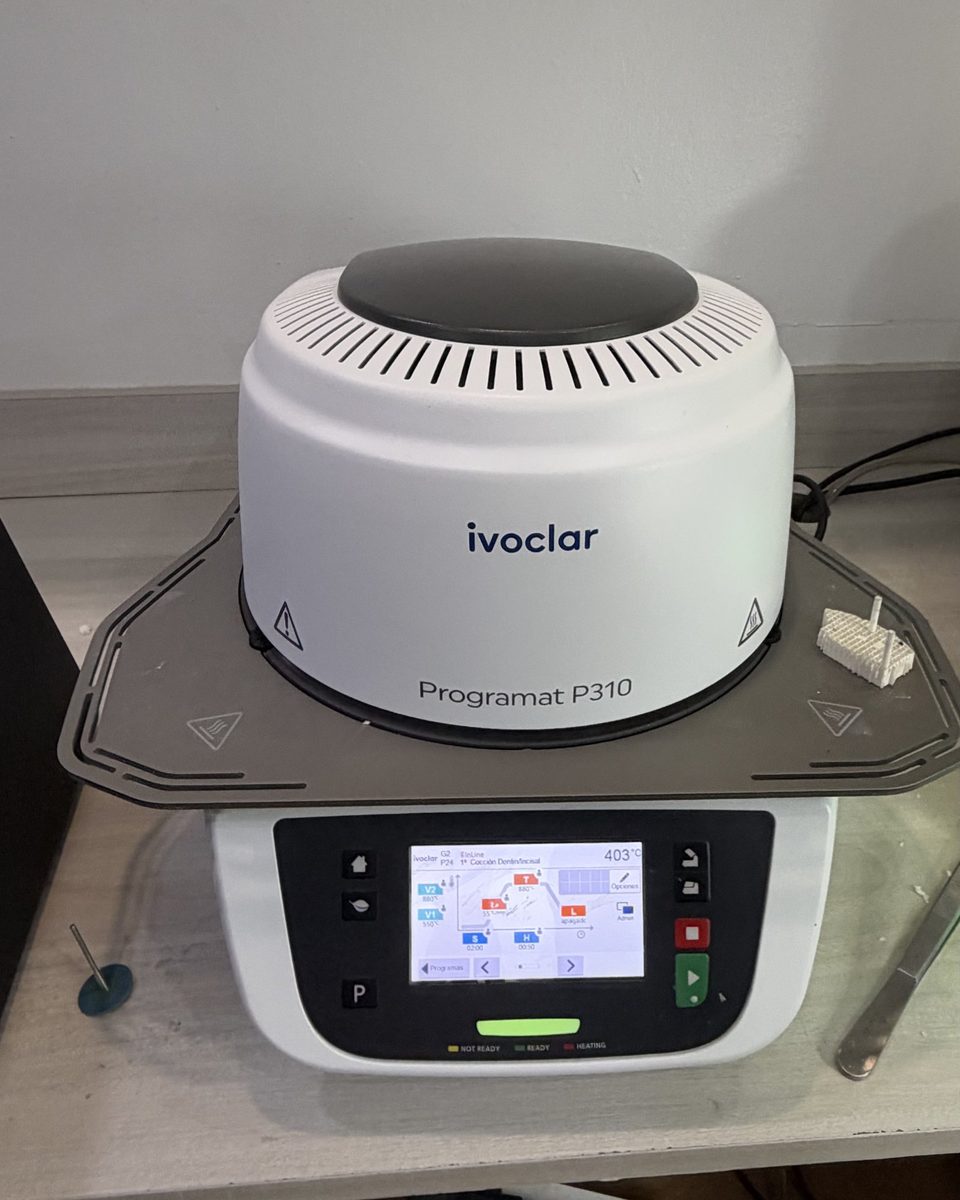
In the last step, a technician adjusts each veneer and gives it, by hand, the details of a natural tooth, like the more see-through edge at the tip. The veneers are fired in a ceramic furnace. Every case goes through this step.
What are the veneers made of?
Lithium disilicate, a type of glass-ceramic.3 It can be pressed or milled, and dentists use it from veneers on front teeth to inlays and onlays on back teeth.3
It is the material Dr. Daniel’s lab uses for porcelain veneers. Your records list the exact material used in your case, and they go home with you.
How long does the lab take?
| Usually, in the US | With Dr. Daniel | |
|---|---|---|
| Time at the lab | A few weeks1; 2 to 4 weeks2 | 24 to 72 hours |
| Temporary veneers while you wait | If needed1 | None |
| Visits | Usually 32 | One trip |
A full smile is usually about 20 veneers: 10 on top and 10 on the bottom.
What if a veneer comes off or breaks?
If a veneer comes off, it is bonded back with no charge for the clinical work or the lab.
If one breaks, it goes back to the lab and you don’t pay for it. First, the team checks why it broke.
Ideally, you also wear a night guard while you sleep. Ask about it in your call.
Dr. Daniel Arredondo Durán and his team
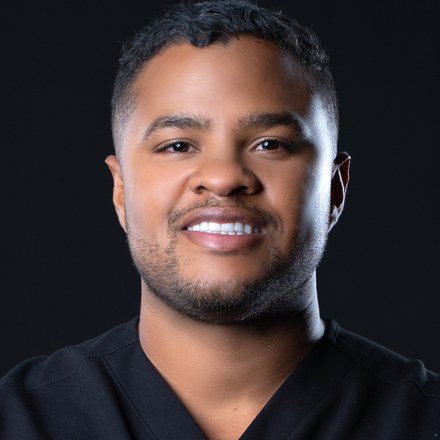
Dr. Daniel earned his Doctor of Dentistry degree from Universidad Odontológica Dominicana in 2018, and in 2020 he completed the International Diploma in Advanced Dental Esthetics at Universidad de Cartagena, Colombia. In 8 years he has designed more than 1,000 smiles, and about 1,000 of his patients came from abroad: the United States, Puerto Rico and the Caribbean.
If you’re weighing your options, book a free 30-minute call. Send photos of your smile before the call and Dr. Daniel reviews them, so you leave the call with your plan, your full price and the days you need.
Book your free callFrequently asked questions
Usually a few weeks at the lab.1 With Dr. Daniel, the porcelain is ready in 24 to 72 hours, so it all happens in one trip.
No. With Dr. Daniel you don’t wear temporary veneers while the porcelain is made.
For veneers alone, no. The work is minimally invasive. Anesthesia comes in with implants, crowns, bridges or extractions.
Yes. You try on your trial smile and see it in the mirror. If you want changes, they are made and you try it again, until you like it.
It goes back to the lab and you don’t pay for it. First, the team checks why it broke.
Sources
- Cleveland Clinic. “Veneers.” Medically reviewed; last updated July 18, 2022. https://my.clevelandclinic.org/health/treatments/23522-dental-veneers
- WebMD. “Veneers: Types, Cost & What to Expect.” Medically reviewed September 7, 2023. https://www.webmd.com/oral-health/veneers
- Zarone F, Di Mauro MI, Ausiello P, Ruggiero G, Sorrentino R. “Current status on lithium disilicate and zirconia: a narrative review.” BMC Oral Health. 2019;19:134. https://pmc.ncbi.nlm.nih.gov/articles/PMC6610968/
Sources accessed on November 13, 2026.